When conventional medications and therapy leave adolescent depression unresolved, exploring TMS for teens and young adults offers a non-invasive, medication-free pathway to recovery. Specifically cleared for adolescents and young adults ages 15 to 21 as an adjunctive treatment for major depressive disorder (MDD), transcranial magnetic stimulation uses gentle magnetic pulses to stimulate underactive mood circuits without surgery, sedation, or systemic drug side effects.
Parents often ask whether TMS is safe for a developing brain, how daily sessions impact school schedules, and what results are realistic. Understanding both the benefits and risks of TMS treatment for teens helps families make confident, informed decisions. At Weston PA, our psychiatric team works alongside parents to design a safe, structured care plan. Keep reading to learn how adolescent TMS works, clinical safety data for ages 15+, and practical guidance for parents.
Key Takeaways
- TMS may help selected young people with depression. Suitability depends on diagnosis, treatment history, medical factors, and device indications.
- Treatment requires planning and safety monitoring. Side effects, treatment schedules, costs, and insurance coverage should be discussed with the provider.
- Evidence is promising but still developing. TMS should complement a broader care plan that may include therapy, medication, and psychiatric assessment.
What Should Parents Know About TMS Treatment for Teens?
TMS stands for transcranial magnetic stimulation. It uses magnetic pulses to change how certain parts of the brain work, the parts tied to depression. No surgery is involved. Doctors may offer it to some teens and young adults who have major depressive disorder, usually when other care hasn’t helped enough.
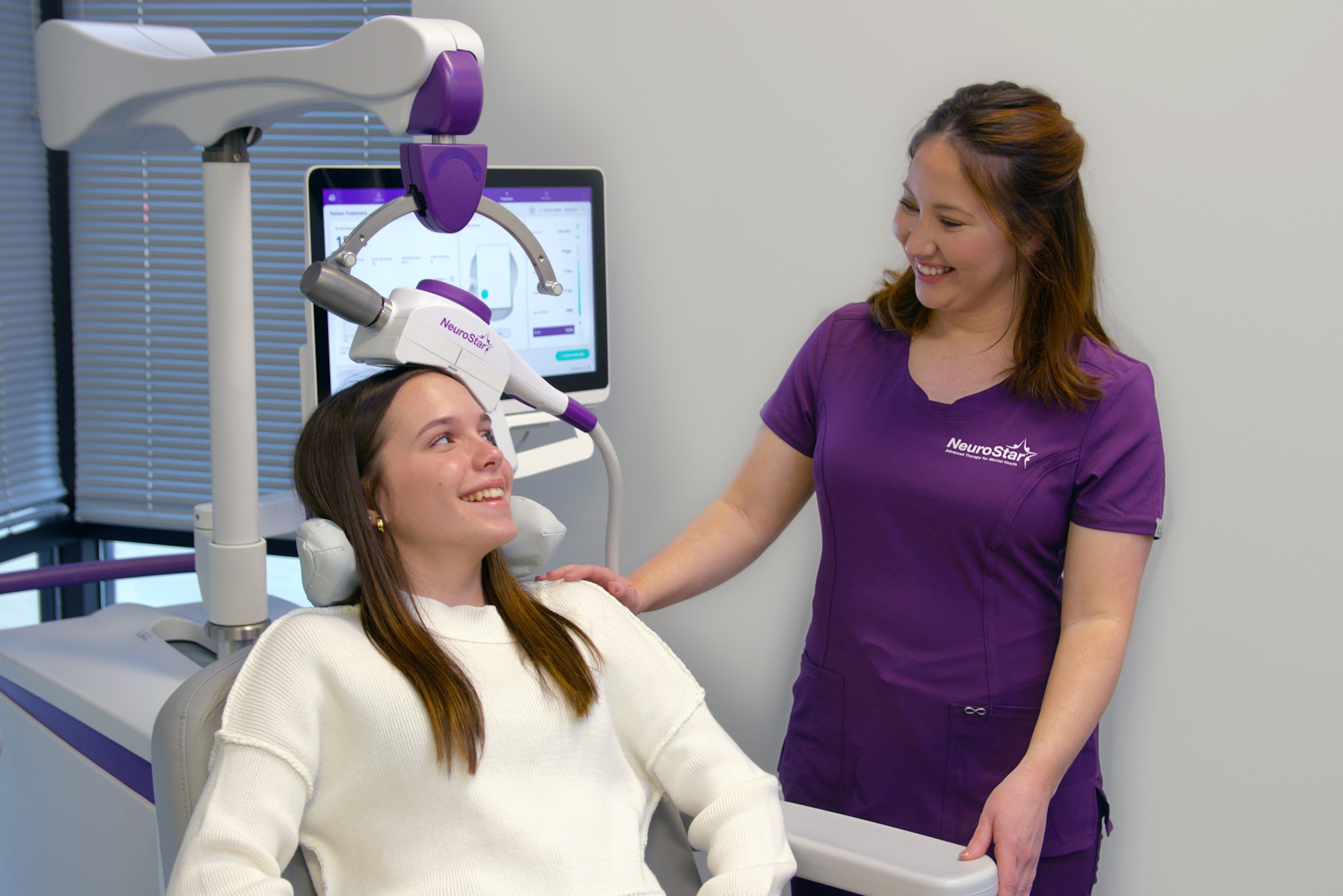
At each visit, a clinician places a small magnetic coil against your child’s scalp. The coil usually sits over the left front part of the brain, called the left dorsolateral prefrontal cortex. This area helps with mood, focus, and planning.
TMS is not the same as electroconvulsive therapy (ECT). Your teen stays awake. There’s usually no anesthesia, and the treatment isn’t meant to cause a seizure. Most teens can go back to their day afterward, unless the clinician says otherwise.
A typical course is five visits a week for six to eight weeks. Each visit lasts about 20 to 40 minutes, depending on the machine and the plan. That’s a real time commitment, and it’s worth thinking about before you start.
A few things to know before you decide:
- TMS does not involve surgery or routine general anesthesia.
- It can be used together with medicine and talk therapy.
- Not every teen with depression is a good fit.
- Your care team should go over the benefits, risks, and costs with you before treatment begins.
How Does TMS Work for Adolescent Depression?
The coil sends short magnetic pulses through the scalp. These pulses make tiny electrical currents in the brain tissue underneath. Nothing cuts the skin.
The left dorsolateral prefrontal cortex plays a role in attention, planning, and handling emotions. Researchers believe that stimulating it affects other brain networks linked to depression. But we don’t fully understand how this works yet, and doctors are honest about that.
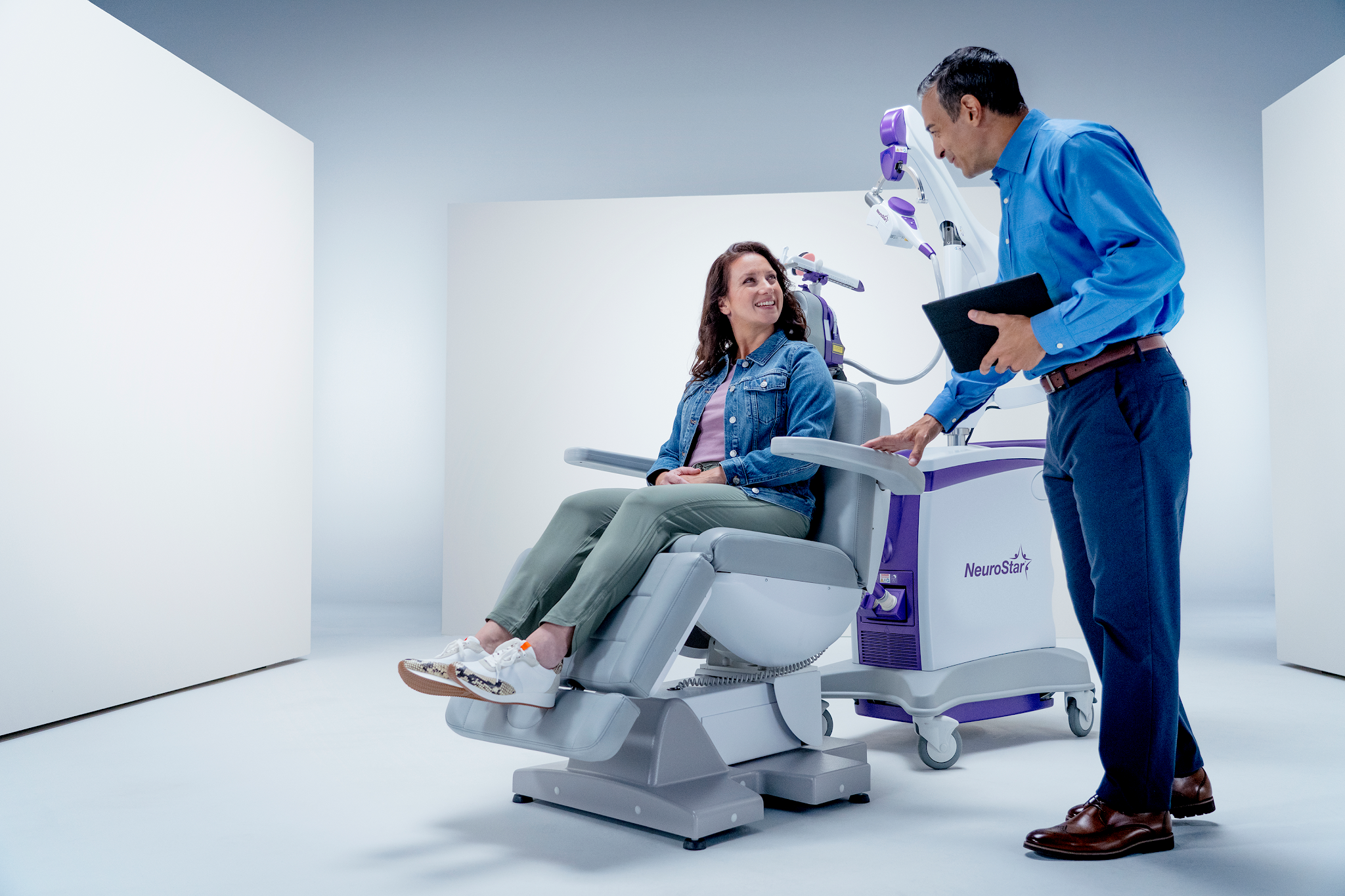
Most treatment uses repetitive TMS, or rTMS. The pulses are given over and over in a set pattern. A trained clinician decides how strong they are and where the coil goes. Understanding how NeuroStar TMS therapy works can help families understand the treatment process and the role of the device in delivering magnetic stimulation.
TMS doesn’t erase hard memories. It doesn’t remove negative thoughts either. The goal is simpler than that: to change brain activity in a way that may ease depression symptoms.
Who Qualifies for Adolescent and Young Adult Neuromodulation?

Understanding the age requirements for TMS treatment can help families prepare questions about clinical suitability before an in-person evaluation. Eligibility depends heavily on patient age, previous treatment response, and diagnostic criteria. For adolescent depression, specific platforms like the NeuroStar system hold FDA clearance for patients ages 15 and older as an add-on therapy when previous care has not provided sufficient relief. For young adults ages 18 to 21 and older, TMS is widely indicated for major depressive disorder.
To determine if your teen qualifies for care, clinicians review:
- Age requirement: Patients must generally be at least 15 years old for adolescent-specific protocols.
- Treatment history: Inadequate symptom improvement after trying one or more antidepressant medications or structured psychotherapy.
- Clinical safety: Absence of non-removable conductive metal or implanted electronic devices in or near the head, alongside screening for individual seizure risk factors.
- Treatment adherence: The ability to attend daily 20- to 40-minute outpatient sessions over a six- to eight-week period.
When Might TMS Not Be the Right Immediate Step?
TMS can’t replace emergency care. If your teen is at immediate risk of suicide, can’t stay safe, or is having a psychiatric emergency, they need to be seen right away. In the United States, you can call or text 988 for suicide and crisis support. If there is immediate danger, call 911 or go to the nearest emergency department.
How Effective Is TMS Therapy for Teens and Young Adults?
TMS can ease depression in some young people, but results differ from one patient to the next. The type of study, the treatment plan, the patient’s background, and how long they were followed all change the numbers you see.
Recent real-world registry data evaluating adolescent cohorts (ages 12 to 21) undergoing rTMS alongside standard care have reported response rates near 59% and remission rates around 30% who finished TMS while also taking antidepressants. A 2026 article in Molecular Psychiatry discussed the results. Here is what the study found:
| Outcome Measure | Reported Result | What It Means |
| Response Rate | 59.4% | Patients experienced a reduction of at least 50% in their PHQ-9 depression scores. |
| Remission Rate | 30.0% | Patients’ PHQ-9 scores fell below 5. |
| Meaningful Symptom Improvement | Approximately 74% | Patients experienced a reduction of at least 6 points in their PHQ-9 scores. |
Read the research discussion and its limitations.
As highlighted by U.S. Food and Drug Administration
“Overall, 32/57 treatment-completers (56.1%) met response criteria and 20/57 (35…)” – U.S. Food and Drug Administration
These numbers are encouraging, but they have limits. The study only included patients who finished treatment. All of them were also taking antidepressants, and there was no comparison group that received a fake (sham) treatment. So we can’t say how much of the improvement came from TMS itself. Please don’t treat these percentages as a prediction for your child.
What Should Parents Expect During TMS?
A standard TMS course means coming to the clinic many times over several weeks. This can affect school, rides, family routines, and activities. Some newer plans use shorter or different schedules, so confirm the exact plan with your provider.
Can Teenagers and Young Adults Maintain School Schedules During TMS?
Yes. Because TMS involves no anesthesia, sedation, or post-treatment grogginess, adolescents ages 15+ and college-aged young adults can continue attending classes, studying, and participating in sports immediately following their appointments.
Each outpatient session takes approximately 19 to 37 minutes. To accommodate academic commitments without disrupting attendance, our clinic offers early-morning and late-afternoon appointment slots. We also provide formal medical attendance documentation to ensure high school and university coursework remains uninterrupted.
What Are the Side Effects and Safety Risks?
Most people tolerate TMS well, but it does carry risks. Patients should be screened first, treatment should be supervised by trained staff, and the clinic should have a clear plan for handling problems.
The Mayo Clinic lists headache and scalp pain or discomfort as common side effects. Facial twitching, tingling, and lightheadedness can also happen.
Less common but serious risks include seizures. TMS can also trigger a high or manic mood in people who are prone to it, especially those with bipolar disorder. Without proper ear protection, hearing can be harmed.
| Side Effect or Risk | What Parents Should Know | Recommended Action |
| Headache | Headaches may occur during or after treatment. | Tell the clinician if headaches persist or become severe. |
| Scalp Pain or Discomfort | Some patients experience discomfort where the magnetic coil touches the scalp. | Report persistent discomfort so the clinician can assess it. |
| Facial Twitching or Tingling | Facial muscles may twitch, or patients may experience tingling during treatment. | Inform the treatment team if symptoms are uncomfortable or persistent. |
| Lightheadedness | Some patients may feel lightheaded during or after a session. | Tell the clinician and follow their guidance. |
| Seizures | Seizures are an uncommon but serious potential risk of TMS. | Discuss seizure risk factors and safety screening before treatment. |
| Mood Elevation or Mania | TMS may trigger mania in susceptible individuals, particularly those with bipolar disorder. | Report unusual mood elevation, reduced need for sleep, or marked behavioral changes promptly. |
| Hearing Damage | Loud treatment sounds may pose a risk without appropriate ear protection. | Confirm that suitable hearing protection is provided during every session. |
Research from Journal of Psychiatric Research shows
“Seizure, untoward medical occurrences, and intracranial bleeding, edema, or other intracranial pathology were considered serious events, but these events were not reported as occurring in any results-based papers.” – Journal of Psychiatric Research
What Should Families Ask About Seizure Risk?
Before treatment, the clinician should go over anything that could raise the chance of a seizure. This includes past brain or nerve problems, head injuries, current medicines, and other health conditions.
Questions to ask:
- How do you screen for seizure risk?
- Who decides the strength and settings of the treatment?
- What ear protection do you provide?
- Who supervises each session?
- What is your plan if there is an emergency?
- How will you record side effects and tell us about them?
The FDA’s guidance on rTMS devices covers safety concerns, including seizures, worsening depression, and other side effects.
What If Depression or Anxiety Symptoms Get Worse?
Some patients say their anxiety, irritability, or low mood got worse for a while during treatment. People sometimes call this a “TMS dip.” We don’t know how often this really happens, or whether TMS caused it each time.
Tell the treating clinician right away if your teen’s symptoms get worse. If your teen has new thoughts of suicide or cannot stay safe, get help immediately. Do not wait for the next appointment.
Is TMS Safe for a Growing Brain?
Parents often ask this, and it is a fair question. Research on TMS for teen depression is growing. Even so, we have less long-term information for young people than for adults.
Ask the clinician to explain what the research shows for your child’s age, diagnosis, and treatment plan. Ask what is known about long-term results and how your child’s progress will be checked.
A good provider will be honest about what is still unknown. Be cautious about any clinic that says TMS is completely risk-free or that its long-term effects are fully understood.
What Happens If TMS Does Not Work?

TMS does not work for everyone. Before treatment starts, you should know how your teen’s doctor will track progress. You should also know what the next steps will be if your teen does not improve as hoped.
How Can Clinicians Measure Progress?
Doctors often give a depression questionnaire called the PHQ-9 before treatment and again afterward, then compare the scores. We also look at how your teen is doing day to day, including:
- Sleep and energy
- Motivation and focus
- School attendance and participation
- Relationships with family and friends
- Interest in activities that matter to them
- Any new safety concerns or other symptoms
We check in on these often. That helps us decide if the current plan is still the right one.
What Are the Options After an Unsuccessful Course?
If TMS does not help enough, the doctor may take a fresh look at the diagnosis. We may check for other conditions that could be making things harder. We may also try a different medicine plan or recommend talk therapy that has been shown to work.
In some cases, a doctor may talk about trying a different TMS approach or a different treatment altogether. But a second round of TMS, or a changed one, is not a sure fix. The next step should fit your teen’s needs, past treatments, wishes, and safety.
Can Depression Symptoms Return After TMS?
Yes. Depression can come back even after a long stretch of feeling better.
Ask the doctor about follow-up visits, how symptoms will be watched, and what to do if warning signs return. Having a plan means you can act early instead of waiting until your teen is very sick again.
How Much Does TMS Cost, and Will Insurance Cover It?
The price of treatment depends on the specific device used, clinical protocol, total number of recommended sessions, and your individual health plan. Even if an insurer covers TMS for adults, specific adolescent criteria must often be verified.
Discussing costs and authorization requirements before beginning care ensures there are no surprises. Families can consult for TMS therapy in Weston with our clinical team to review insurance verification, estimate out-of-pocket expenses, and obtain a detailed written cost estimate tailored to their teenager’s care plan.
What Should Parents Ask Their Insurance Provider?
Before you book treatment, find out:
- Does the plan cover this TMS device for your teen’s age and diagnosis?
- Do you need prior authorization (approval ahead of time)?
- Does your teen have to try certain medicines or therapy first?
- Are the clinic and the doctor in your network?
- What are the deductible, copay, and coinsurance?
- Are follow-up or maintenance sessions covered?
Insurance rules change. Get the answers straight from your insurance company, and ask the clinic for a written cost estimate.
How Can Families Compare TMS Clinics?
| What to compare | What to check |
| Total cost | A written estimate for the whole treatment course |
| Insurance | Proof of coverage and any approval steps |
| Doctor oversight | The doctor’s training and experience with teens |
| Device and plan | The exact machine, the schedule, and what it is approved for |
| Safety steps | Screening, ear protection, monitoring, and what happens in an emergency |
| Follow-up care | Progress checks and a plan if it does not work or symptoms return |
The cheapest price is not always the best choice. Look at who is overseeing care, how open the clinic is, how it handles safety, and whether it has a full treatment plan.
Why Should Treatment Goals Extend Beyond Symptom Scores?
Fewer symptoms is good news. But real recovery may also mean going to school regularly, rebuilding friendships, sleeping better, and getting back to things your teen enjoys.
Parents and doctors can set practical goals together and check on them during treatment. Your teen’s own goals should be part of that talk.
What Should Families Bring to an Initial Consultation?
Bring past treatment records, a list of current medicines, your teen’s medical history, and any recent depression screening results.
A full exam lets the doctor decide if TMS makes sense or if another approach would be better.
Supporting Your Family Through Adolescent Depression Care
Finding the right depression treatment for your teen or young adult can be stressful, especially when you’re unsure which options are safe and appropriate. TMS isn’t right for everyone. A qualified clinician can help determine whether it’s suitable based on the patient’s needs, current evidence, and device indications.
If you’re considering TMS, Weston PA can help you take the next step toward understanding your options. Ask about eligibility, potential benefits, safety, and costs before making a decision.
FAQ
Is TMS for Teens and Young Adults Clinically Proven and Safe for Ages 15 and Older?
Yes. Clinical trials and FDA clearances demonstrate that TMS is safe and effective for patients ages 15 and older with major depression. Because it delivers targeted magnetic pulses rather than ingestible medication, it avoids systemic side effects like weight gain, nausea, or sedation. A psychiatrist screens each patient for seizure risks and medical history beforehand to ensure safe, individualized treatment.
Can Teenagers Attend School While Receiving TMS Treatment?
Yes. Sessions last just 19 to 37 minutes and require no anesthesia, sedation, or post-treatment downtime. Teens can drive or return to classes, homework, and sports immediately afterward. Clinics offer early-morning and after-school slots, along with medical excused-absence notes, to keep academic and extracurricular routines completely uninterrupted.
Does Insurance Cover TMS Treatment for Teens and Young Adults?
Often, yes, though coverage depends on your specific plan and age criteria. Most major insurers cover adolescent TMS if clinical records show the patient previously tried antidepressants or therapy without adequate symptom relief. Your clinic’s billing team will verify your benefits and handle prior authorization before treatment begins.
Can Teenagers Receive TMS Alongside Cognitive Behavioral Therapy?
Yes. Combining TMS with CBT is widely practiced and clinically advantageous. TMS activates underactive neural circuits to improve focus and mood, making it easier for teenagers to actively participate in therapy and build long-term coping mechanisms. Your clinical care team coordinates both modalities for cohesive support.
What Should Parents Ask During a TMS Consultation for Adolescents?
Parents should ask whether the clinic’s specific TMS system holds age-appropriate FDA clearance for their teen, how staff screen for individual seizure risks, and what out-of-pocket costs or insurance approvals apply. It is also essential to discuss available morning or afternoon appointment slots to protect school attendance, how progress will be measured, and how the clinical team coordinates with existing therapists or psychiatrists.