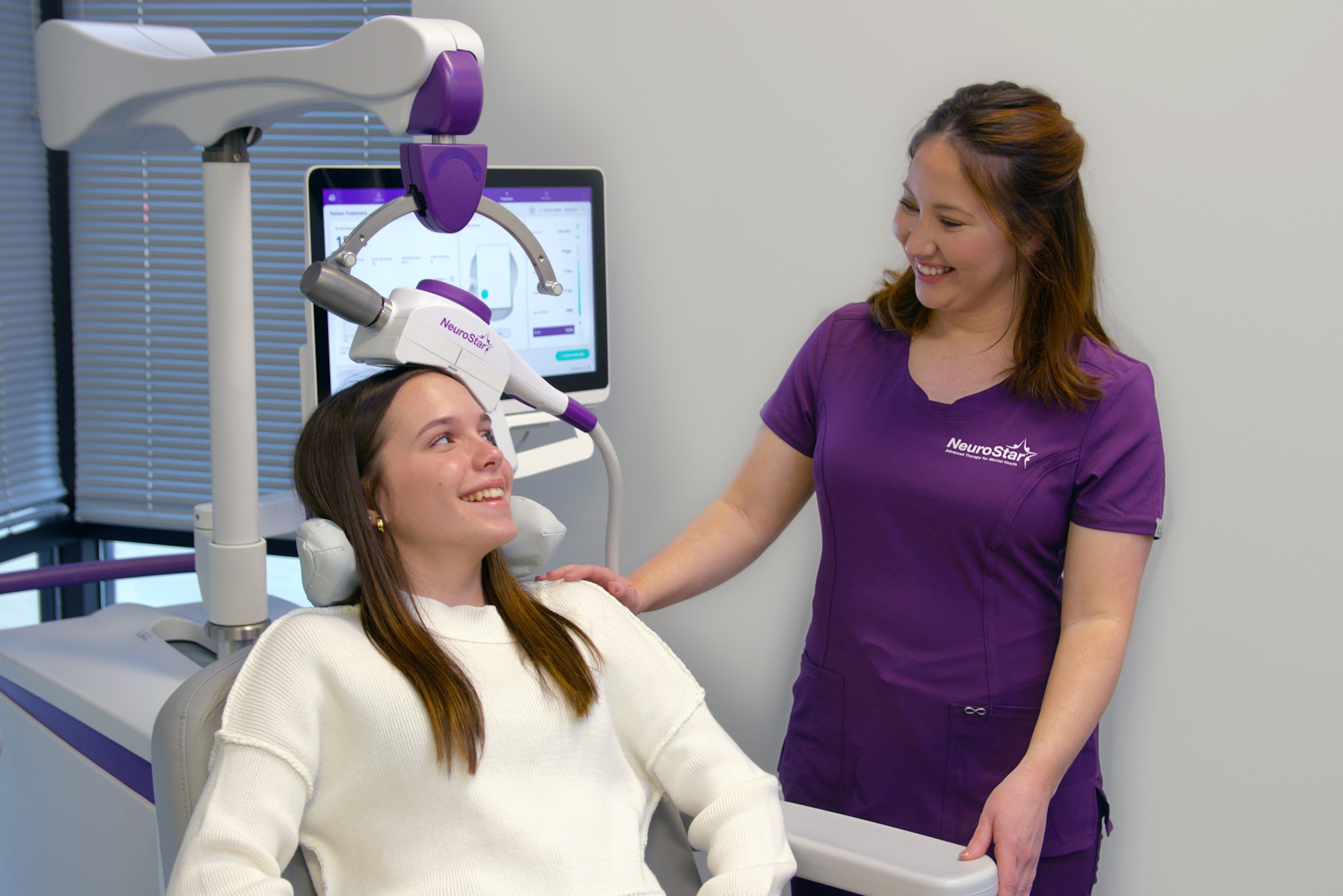
TMS therapy may help people with major depressive disorder and certain other FDA-cleared conditions after a clinical evaluation. If you’re looking for local TMS therapy options, it helps to understand how treatment works, who may qualify, and what to expect from a provider.
You’ll want clear information about who may qualify, what a session feels like, how often treatment happens, and what to look for when comparing local options. Weston Psychological Associates provides information for people exploring TMS therapy and local care options.
But every person’s situation is different, so a qualified clinician should guide treatment decisions. Keep reading to learn what to expect and how to compare providers.
Key Takeaways
- TMS is a non-invasive treatment that uses magnetic pulses to stimulate targeted areas of the brain.
- Candidacy depends on your diagnosis, treatment history, medical history, and safety factors.
- When comparing providers, consider clinical oversight, treatment protocols, scheduling, and coverage.
What Should You Know Before Choosing TMS Treatment?
TMS uses magnetic pulses to stimulate specific areas of the brain. There is no surgery, and patients remain awake during treatment.
The National Institute of Mental Health, known as NIMH, lists repetitive TMS as a brain stimulation treatment for depression. It may be considered when other treatments have not provided enough relief.
TMS is not appropriate for everyone. A medical evaluation is needed to review the diagnosis, treatment history, medical history, and possible safety concerns.
How Does Transcranial Magnetic Stimulation Work?
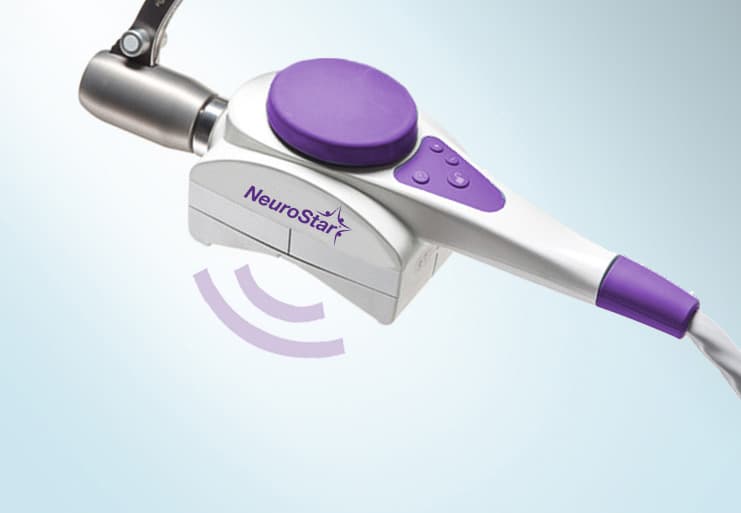
Transcranial magnetic stimulation uses an electromagnetic coil placed against the scalp. The coil sends controlled magnetic pulses into a targeted area of the brain. These pulses create electrical activity in nearby brain tissue.
For depression, many TMS protocols target the left prefrontal cortex. This part of the brain is involved in mood and other mental processes.
Researchers are still studying exactly how TMS reduces depression symptoms. One area of research looks at how stimulation near the surface of the brain may affect connected areas deeper in the brain. NIMH research published in 2024 examined these connections in people with depression.
So, TMS is not simply general brain stimulation. The treatment is aimed at a specific area and follows a defined protocol.
How Is TMS Different From Medication or ECT?
TMS, medication, and ECT work in different ways and involve different treatment experiences.
Medication uses a drug that affects the body through the prescribed route. TMS uses magnetic stimulation at a selected area of the brain. ECT uses controlled electrical stimulation to produce a therapeutic seizure while the patient receives anesthesia.
| Treatment | Main Method | Typical Patient Experience |
| TMS | Magnetic stimulation | Awake during treatment |
| Medication | Prescribed medication | Takes medication as directed |
| ECT | Controlled electrical seizure | Anesthesia and medical monitoring |
TMS does have possible side effects. Patients may have a headache, scalp discomfort, tingling, or movement of facial muscles during stimulation.
Who Is a Good Candidate for TMS Therapy?
TMS candidacy depends on several medical factors. The clinician considers the patient’s diagnosis, previous treatment, current medications, medical history, and possible neurological risks.
A diagnosis alone does not determine whether someone should receive TMS.
When Is TMS Used for Depression?
TMS may be considered for major depressive disorder when previous treatments have not provided enough improvement or have caused difficult side effects.
“Brain stimulation therapy is an option when other depression treatments have not worked.” – National Institute of Mental Health (NIMH)
During an evaluation, the clinician may ask about previous antidepressants and therapy. Current medications matter too. The clinician may also review how long symptoms have been present and how the patient responded to earlier treatment.
This information helps determine whether TMS fits the patient’s care plan.
Some patients continue medication or psychotherapy during TMS treatment. Others may need additional treatment after the initial TMS course. The plan depends on the patient’s symptoms and clinical needs.
TMS is not a guaranteed cure. Some patients improve, while others may have a limited response.
What Could Make TMS Unsuitable?
Safety screening is an important part of TMS care.
TMS uses a magnetic field. Certain metal objects near the head can create a safety concern. Some implanted electronic devices can also affect whether treatment is appropriate.
A clinician may ask about:
- Metal implants near the head
- Electronic medical implants
- A history of seizures
- Neurological conditions
- Current medications
- Previous psychiatric treatment
That list is not complete.
The exact safety requirements can depend on the device and treatment protocol. Patients should give the clinician complete information about implants, medical conditions, and medications before treatment begins.
The FDA provides specific warnings for certain TMS systems. These warnings address certain metallic objects and implanted devices and identify seizure history as a factor that should be discussed with a healthcare provider.
Can TMS Treat Conditions Other Than Depression?
Yes, but the FDA cleared use depends on the specific device and treatment protocol.
“With today’s marketing authorization, patients with OCD who have not responded to traditional treatments now have another option.” – U.S. Food and Drug Administration (FDA)
Those results came from one clinical study. They do not tell a patient exactly how they will respond to treatment.
Other FDA cleared TMS uses also exist for specific conditions and devices. The details matter because one TMS system may have a different clearance from another.
| Condition | FDA Clearance |
| Major depressive disorder | Certain TMS devices |
| OCD | Certain Deep TMS devices |
| Other conditions | Depends on device and indication |
Patients should ask the clinic which device it uses and which indication that device is FDA cleared to treat.
The answer should be specific.
What Happens at a TMS Clinic?

A TMS program usually begins with an evaluation. If treatment is appropriate, the clinical team develops a treatment plan and determines the stimulation settings. For patients exploring TMS therapy in Weston, understanding how the local clinic handles evaluation and treatment planning can help set expectations before the first visit.
The first visit may involve more questions than patients expect. That is normal. The clinician needs enough information to make a safe treatment decision.
What Happens During the First TMS Evaluation?
The first evaluation usually covers the patient’s diagnosis and treatment history. The clinician may review previous medications, psychotherapy, current medications, medical conditions, and neurological history.
The provider also checks for possible safety concerns.
During treatment planning, the clinician may identify the area of the brain to be stimulated. The treatment team may also measure the patient’s motor threshold. This helps determine an appropriate stimulation intensity.
NIMH describes repetitive TMS as repeated magnetic pulses that produce electrical currents capable of stimulating neurons and neural circuits.
The exact process can vary by device.
What Does a Typical TMS Session Feel Like?

The patient remains awake during a TMS session. An electromagnetic coil is positioned against the scalp near the treatment area. The device then delivers a series of magnetic pulses.
Patients may hear clicking sounds.
Some people feel tapping or pressure on the scalp. Others notice tingling or movement in nearby facial muscles. A headache or scalp discomfort can also occur.
NIMH reports that an rTMS session may last about 3 to 40 minutes, depending on the treatment protocol. Conventional treatment courses commonly involve sessions five days per week for four to six weeks.
Not every protocol follows that schedule.
How Often Do You Need TMS Treatment?
A conventional TMS course often involves weekday appointments over several weeks. NIMH describes a common treatment period of four to six weeks.
Some newer protocols use different schedules. The number of sessions can depend on the device, treatment approach, conditions treated, and clinical plan.
That matters when choosing a local provider.
Patients should ask how often appointments are scheduled before treatment begins. A frequent schedule can affect transportation, work, school, and other regular commitments.
The treatment team should explain the expected schedule before the first session.
How Should You Compare TMS Centers?

When comparing local TMS providers, look at the medical care behind the treatment. Location matters, but it is not the only factor.
Patients can ask about the clinician who performs the evaluation, the device used by the clinic, the FDA cleared indication, safety screening, treatment schedule, and follow up care.
Which TMS Device or Protocol Does the Clinic Use?
TMS treatment can use different devices and protocols. Conventional repetitive TMS, Deep TMS, and theta burst stimulation are examples. Clinics may also use NeuroStar Advanced TMS, an FDA-cleared TMS system used for specific indications.
The FDA clearance for a device also matters. A clinic should be able to explain which device it uses and what conditions that device is cleared to treat.
Patients should be cautious about broad claims that one device is right for everyone. Treatment decisions should be based on the patient’s diagnosis and clinical evaluation.
Who Should Oversee Your TMS Treatment?
A qualified medical professional should evaluate the patient and establish the treatment plan.
Trained clinical staff may provide treatment sessions according to the prescribed protocol. The care team should also have a process for monitoring symptoms and addressing side effects.
Ask who performs the initial evaluation.
Ask who selects the treatment settings.
Ask who patients can contact if a problem occurs.
Clear answers matter.
Taking the Next Step With TMS
If you’re dealing with ongoing symptoms despite trying other treatments, you may be wondering whether TMS could be an option. The decision shouldn’t be based on convenience alone. Your diagnosis, treatment history, and overall safety need to be reviewed first.
Weston Psychological Associates can help you understand whether TMS fits your situation and what the evaluation involves. It’s a simple next step, not a commitment to treatment. If you’re considering TMS, learning more about your options can help you make a more informed decision about your care.
FAQs
Is TMS FDA-cleared for depression?
Yes. The FDA cleared TMS for major depression in 2008, and additional devices and indications have received clearance over time. “FDA-cleared” should be used when describing these medical devices because clearance and approval are different regulatory pathways.
How long does a TMS session take?
A session can last approximately 3 to 40 minutes, depending on the protocol and device, according to NIMH’s 2024 brain stimulation overview. Conventional sessions and accelerated protocols can therefore have different time requirements.
How many TMS sessions will I need?
A conventional course commonly involves weekday treatment for 4 to 6 weeks, while accelerated protocols can use different schedules. NIMH reports these ranges in its 2024 clinical overview.
Are TMS side effects serious?
Most commonly reported effects are mild, such as scalp discomfort or headache, but TMS can have more serious risks, including seizures. A clinician should review individual risk factors before treatment rather than relying on a general risk percentage.
How Do I Find a TMS Provider?
Compare providers based on clinical oversight, FDA-cleared indications, treatment protocols, safety screening, scheduling, insurance requirements, and follow-up care. A nearby provider is practical only if the treatment schedule and clinical services fit your needs.
References
- https://www.nimh.nih.gov/health/publications/depression
- https://www.fda.gov/news-events/press-announcements/fda-permits-marketing-transcranial-magnetic-stimulation-treatment-obsessive-compulsive-disorder