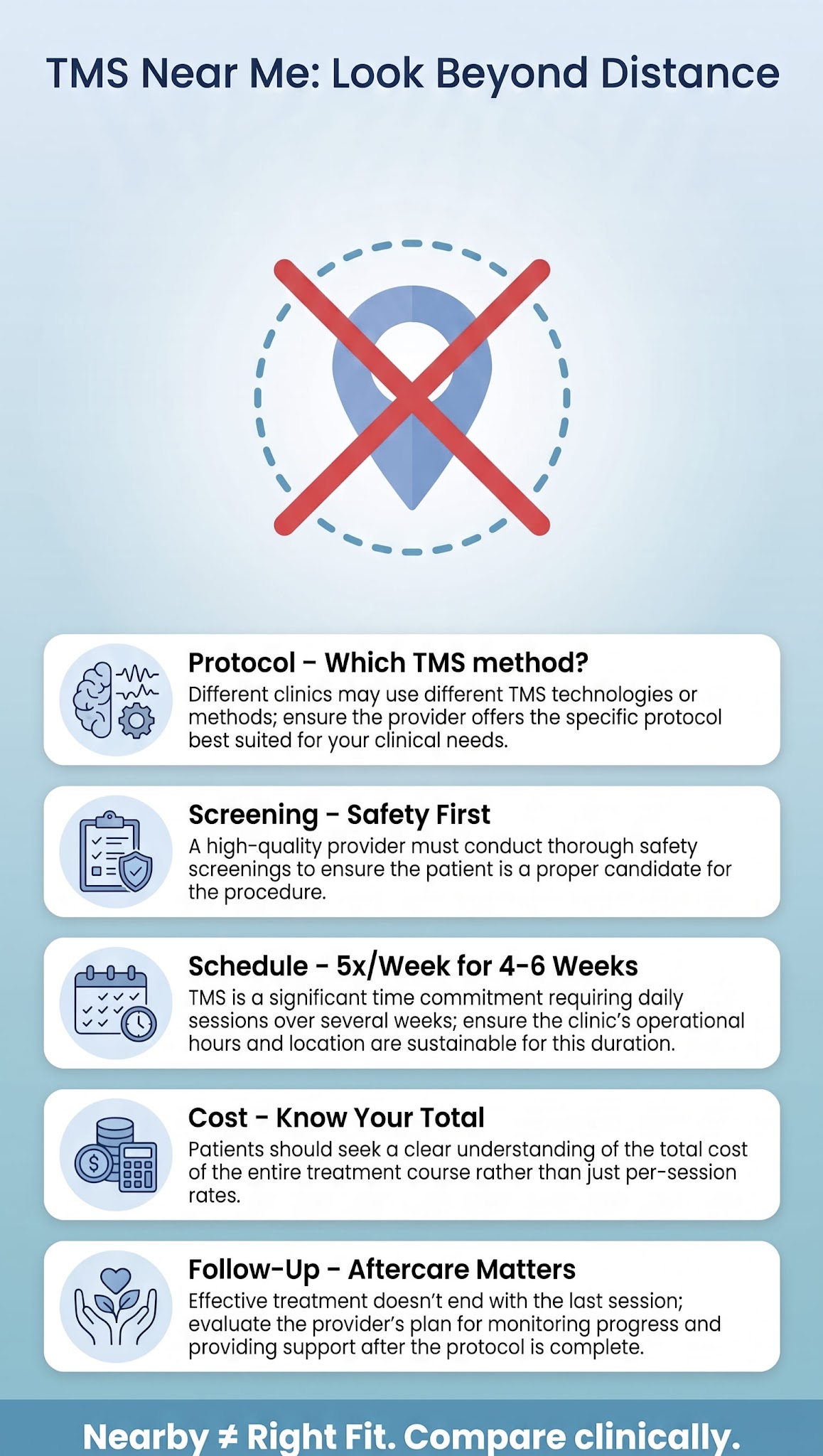
If you are searching for TMS treatment, choosing the right clinic requires looking beyond physical distance to evaluate protocols, costs, and clinical oversight. Choosing a provider based on location alone can lead to sub-optimal care, so comparing treatment plans, device clearances, and scheduling flexibility is essential before booking your first appointment.
For residents in and around Weston, finding the right provider often means evaluating clinics across the broader regional area. Knowing what to ask upfront helps you make an informed decision before committing to the daily commute.
Key Takeaways
- Ask About the TMS Device and Protocol
- Know the TMS Treatment Schedule and Sessions
- Compare TMS Clinic Quality, Cost, and Follow-Up
What Is TMS and How Does It Work?
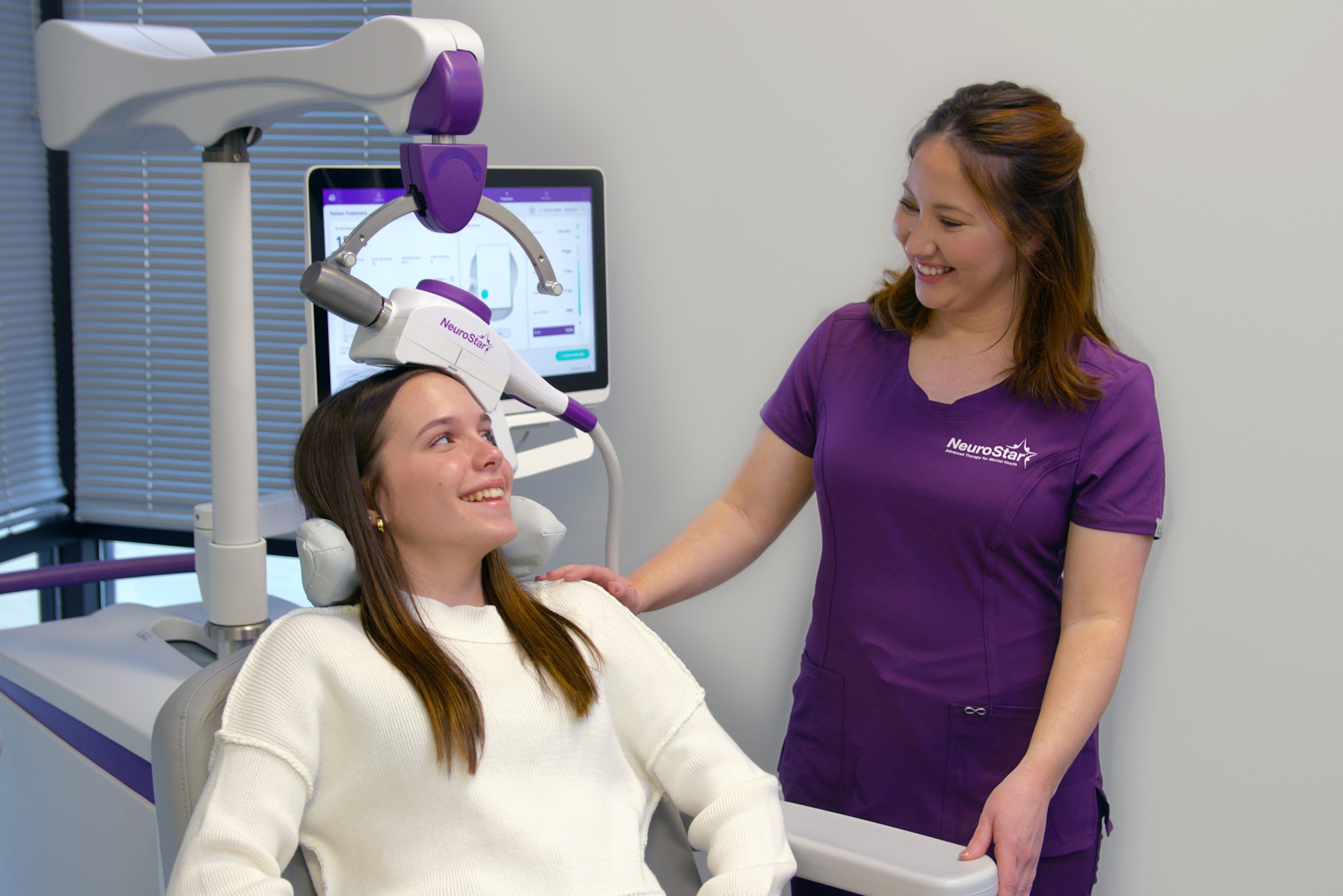
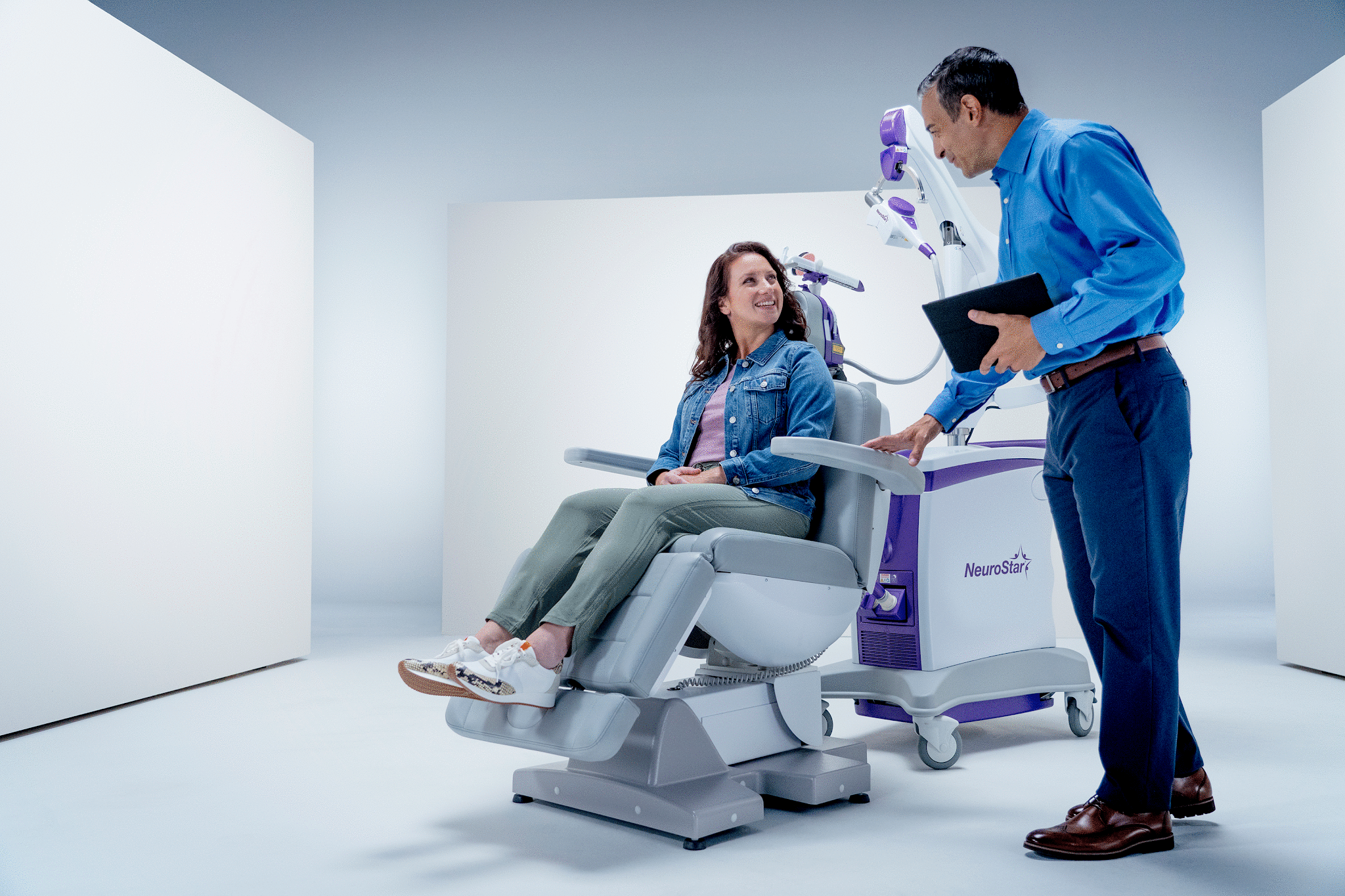
TMS stands for transcranial magnetic stimulation. During a session, a trained technician or doctor places a magnetic coil against your scalp to deliver localized magnetic pulses to targeted brain regions. You remain awake and alert throughout the entire procedure without needing anesthesia or sedation. For more information about the treatment, see this TMS therapy page.
As highlighted by Mayo Clinic:
“TMS is a procedure that uses magnetic fields to stimulate nerve cells in the brain to improve symptoms of major depression. It‘s called a ’noninvasive‘ procedure because it’s done without using surgery or cutting the skin.” Mayo Clinic
The magnetic coil creates rapid magnetic pulses that induce small electrical currents in targeted brain tissue. Standard daily sessions last between 3 and 40 minutes depending on the protocol used. Your initial appointment takes longer because the clinical team must perform motor threshold mapping to identify your precise treatment site and pulse strength.
TMS differs fundamentally from electroconvulsive therapy (ECT). TMS does not induce seizures, does not require memory-impairing sedation, and allows most patients to drive themselves home immediately after each visit.
Before enrolling in care, ask potential clinics these essential questions:
- Do you use standard rTMS, theta-burst stimulation, or another FDA-cleared system?
- How does your clinical team determine my target location and stimulation intensity?
- How many total sessions do you include in the primary treatment course?
Who Qualifies for TMS Treatment?
Doctors recommend TMS primarily for major depressive disorder that has not improved after trying standard antidepressant medications and therapy. The FDA has also cleared specific TMS systems for obsessive-compulsive disorder (OCD) and smoking cessation when provided alongside appropriate clinical evaluations.
A qualified clinic must perform a thorough intake assessment before starting care. This evaluation reviews your diagnosis, past medication trials, medical history, and any potential safety risks like metallic implants.
For depression, insurance providers typically require documented proof that you tried two or more antidepressant medications without adequate relief. A standard treatment series involves 20 to 30 sessions administered five days per week over 4 to 6 weeks.
As noted by the FDA:
“With today‘s marketing authorization, patients with OCD who have not responded to traditional treatments now have another option.” FDA
That authorization followed a clinical trial where 38% of patients receiving active treatment showed a 30% or greater reduction in symptom severity.
Finding a specialized TMS therapy provider ensures that your provider evaluates your complete psychiatric history to confirm eligibility before starting treatment. You can also review who we treat to understand the conditions and patient needs addressed by the practice.
Does the Treatment Change Depending on Your Diagnosis?
Yes, treatment protocols vary significantly based on your specific condition. Depression and OCD require different brain targets, pulse frequencies, and coil designs.
Depression protocols typically target the left dorsolateral prefrontal cortex to regulate mood networks. OCD protocols focus on the medial prefrontal cortex and anterior cingulate cortex to address intrusive thought patterns.
| Condition | Primary Target Area | Key Question to Ask |
| Depression | Frontal cortex (DLPFC) | Which target protocol and coil placement method do you use? |
| OCD | Deep brain structures / ACC | Is your device specifically FDA-cleared for OCD treatment? |
| Bipolar Depression | Frontal cortex (with monitoring) | How do you screen for and monitor mood stability during care? |
A 2024 study funded by the National Institute of Mental Health (NIMH) examined how personalized brain mapping improves targeting precision in clinical settings. Clinics using advanced localization methods can tailor stimulation to your individual neuroanatomy rather than relying on standard external head measurements alone.
How Many Sessions Will You Need at a TMS Clinic?

Most acute treatment plans require 20 to 30 sessions distributed over 4 to 6 weeks. Visits occur five days a week, typically Monday through Friday.
Managing the appointment schedule represents one of the biggest practical hurdles for patients. Even though a daily session may take only 20 minutes, round-trip travel time adds up quickly over a six-week period.
If you are evaluating options at a local TMS clinic, consider how daily appointments fit into your work, school, and childcare routines.
Questions to clarify scheduling before committing:
- How many total sessions do you recommend for my diagnosis?
- What is your policy for rescheduling missed or delayed appointments?
- Do you offer accelerated treatment schedules if clinically appropriate?
What Side Effects Should You Discuss With Your Doctor?
The most common side effects of TMS are mild to moderate scalp discomfort, lightheadedness, facial twitching during stimulation, and temporary headaches. These sensations typically decrease after the first week or two of care.
Because the magnetic coil makes a loud clicking sound during operation, hearing protection is required. The FDA mandates that device operators provide earplugs to prevent temporary auditory changes or tinnitus during sessions.
Rare risks include treatment-induced seizures and manic shifts in individuals with underlying bipolar disorder. A comprehensive initial health screening helps rule out elevated seizure risks before treatment begins.
| Potential Side Effect | Management Strategy | Question for Your Provider |
| Headache | Over-the-counter pain relievers | How do you adjust settings if headaches persist? |
| Scalp Sensitivity | Contact angle adjustments | Can you lower stimulation intensity during initial visits? |
| Facial Twitching | Repositioning the coil | Is my coil placement optimal for comfort? |
| Hearing Protection | Earplugs or noise-reducing plugs | What protective earwear do you provide during care? |
How Much Does Treatment Cost, and Does Insurance Cover It?

TMS treatment costs vary based on insurance coverage, copays, deductibles, total session count, and your specific diagnosis.
Most major commercial insurance plans and Medicare cover TMS for major depressive disorder when you meet specific clinical criteria. However, coverage for conditions like OCD or off-label protocols varies by provider and policy type.
Always request a written cost breakdown before starting care:
- Has my insurance approved prior authorization for this full treatment course?
- What is my estimated out-of-pocket copay or coinsurance per session?
- What are the self-pay rates if my insurance denies coverage?
Asking these questions upfront prevents unexpected billing surprises midway through your care.
How Do You Find a Quality TMS Center?
Selecting the right facility involves evaluating clinical qualifications, device clearances, safety protocols, and location convenience.
When researching transcranial magnetic stimulation near you, verify that the medical director is a board-certified psychiatrist with specific training in neuromodulation.
Use this checklist when comparing local facilities:
- Clinician Credentials: Is a physician on-site to oversee treatment mapping and progress?
- Device Clearance: Is the equipment FDA-cleared for your specific mental health condition?
- Safety Screening: Does the clinic screen for metallic implants, medical devices, or seizure risks?
- Location & Hours: Can you reliably travel to the facility five days a week without missing sessions?
If you live in Florida and are looking for comprehensive mental health care, exploring an established TMS center can connect you with experienced clinicians who coordinate therapy alongside neuromodulation. For patients in the area, you can also explore Weston, FL services and location information.
What Should You Expect During Your First Visit?
Your initial consultation focuses on clinical evaluation, safety screening, and motor threshold mapping.
During motor threshold mapping, the clinician places the coil over the motor cortex to find the precise strength needed to make your thumb twitch. This measurement determines the individualized prescription dose for your treatment sessions.
Bring the following items to your initial appointment:
- A complete list of past psychiatric medications, doses, and trial durations.
- Records of past therapy or medical treatments.
- A list of current medical conditions, metallic implants, or medical devices.
- Your insurance card and photo identification.
What Are Theta-Burst, Deep TMS, and Accelerated Protocols?
Technological advances have introduced modified treatment protocols that alter session length and daily delivery frequency.
| TMS Approach | What It Involves | Key Question to Ask |
| Standard rTMS | Delivers repetitive magnetic pulses in daily 19–37 minute sessions over 4-6 weeks. | Which standard protocol do you use for my condition? |
| Theta-Burst Stimulation | A TMS protocol designed to deliver stimulation in a shorter session. | How does this protocol change my session length and schedule? |
| Deep TMS | Uses a specialized coil design intended to stimulate broader/deeper brain regions. | Is this device cleared for my specific condition? |
| MRI-Guided TMS | Uses brain imaging to help guide treatment targeting. | What evidence supports MRI-guided targeting for my condition? |
| EEG-Guided Approaches | Uses brain electrical activity as part of a personalized treatment approach. | Is this approach established for my diagnosis or still under study? |
Consult with your clinician to determine if newer or shorter protocols fit your specific diagnosis and health history.
Can TMS Be Combined With Ketamine or Psychotherapy?
Clinicians often combine TMS with evidence-based psychotherapy to reinforce long-term behavioral changes while brain pathways adapt.
Some specialized clinics also explore combining TMS with interventional treatments like Spravato (esketamine). When combining therapies, your care team must carefully monitor your progress and coordinate medication management.
Combining structured individual therapy with TMS helps address both the neurochemical and psychological aspects of recovery.
What Red Flags Should You Watch Out For?
When evaluating clinics, avoid facilities that exhibit these red flags:
- Guaranteeing complete recovery or promising a 100% cure rate.
- Skipping a detailed medical history or safety screening for metallic implants.
- Pressuring you to purchase expensive non-refundable treatment packages upfront.
- Lacking direct physician oversight during motor threshold mapping and clinical care.
Conductive or ferromagnetic metals within 30 centimeters of the TMS coil represent a serious safety contraindication. A reputable clinic will always perform a rigorous safety check before treatment begins.
What Should You Know Before Choosing a TMS Provider?
Before making your final choice, review every provider using the exact same standard criteria.
Ask these key questions:
- Does the clinic specialize in treating my specific diagnosis?
- Is the treatment schedule manageable alongside my daily responsibilities?
- Does the financial counselor provide clear pricing in writing before session one?
- What follow-up plan does the clinic offer after the initial series ends?
Comparing providers thoroughly ensures you receive safe, high-quality, and evidence-based care tailored to your health needs.
What Is the Next Step for Finding TMS Near You?
Finding the right TMS provider near Weston, FL requires evaluating how a treatment plan aligns with your schedule, clinical needs, safety profile, and budget.
Before choosing a clinic, use the checklist above and ask the same questions at each provider you contact. If you’re ready to discuss eligibility or local treatment options, contact Weston PA to learn more and take the next step.
Frequently Asked Questions
How long does a typical TMS session take?
A standard daily session lasts between 3 and 40 minutes depending on whether your provider uses theta-burst stimulation or conventional rTMS. Your initial mapping appointment takes longer, usually lasting about 60 minutes.
How many sessions are needed at a TMS clinic?
Most acute depression treatment protocols require 20 to 30 sessions administered five days a week over 4 to 6 weeks. Your exact treatment length depends on your diagnosis, protocol, and individual response to care.
Is TMS FDA-cleared?
Yes. TMS devices receive FDA clearance for specific medical uses, which is the standard regulatory pathway for Class II medical devices. FDA clearance applies to specific devices and indications, including depression and OCD.
What are the most common side effects of TMS?
The most common side effects are mild headaches, scalp discomfort during stimulation, lightheadedness, and facial muscle twitching. Most side effects diminish after the first two weeks of treatment.
How do I find TMS near me?
To find TMS treatment, compare clinician qualifications, device clearances, safety screening protocols, insurance support, total out-of-pocket costs, and follow-up care options alongside commute distance.
Crisis Support: If you or someone you know is in immediate danger or experiencing a mental health crisis in the United States, call or text 988 to reach the Suicide & Crisis Lifeline, or call 911 for immediate emergency assistance.
References
- https://www.mayoclinic.org/tests-procedures/transcranial-magnetic-stimulation/about/pac-20384625
- https://www.fda.gov/news-events/press-announcements/fda-permits-marketing-transcranial-magnetic-stimulation-treatment-obsessive-compulsive-disorder?