Psychiatrists in Weston, FL provide psychiatric evaluations, medication management, treatment planning, and coordination with psychotherapy. Care may be available for children, adolescents, adults, and older adults, depending on the clinician’s training and area of practice.
Treatment options can also vary based on the patient’s needs, insurance coverage, and whether visits take place in person or through telehealth. A psychiatric evaluation can help identify symptoms, review medical and mental health history, and guide the next steps in care.
Weston Psychological Associates provides local psychiatric care for patients seeking professional support. Read on to learn what psychiatrists do and how to choose care.
What Psychiatric Services Can Be Found in Weston?
Psychiatric care in Weston can include an evaluation, medication management, treatment planning, and therapy. The exact services depend on the provider and the patient’s needs.
Common conditions treated in psychiatric care include depression, anxiety disorders, ADHD, bipolar disorder, OCD, and PTSD. Some providers also focus on specific age groups or conditions.
The first visit usually starts with a detailed discussion.
How Does a Psychiatric Evaluation Work?
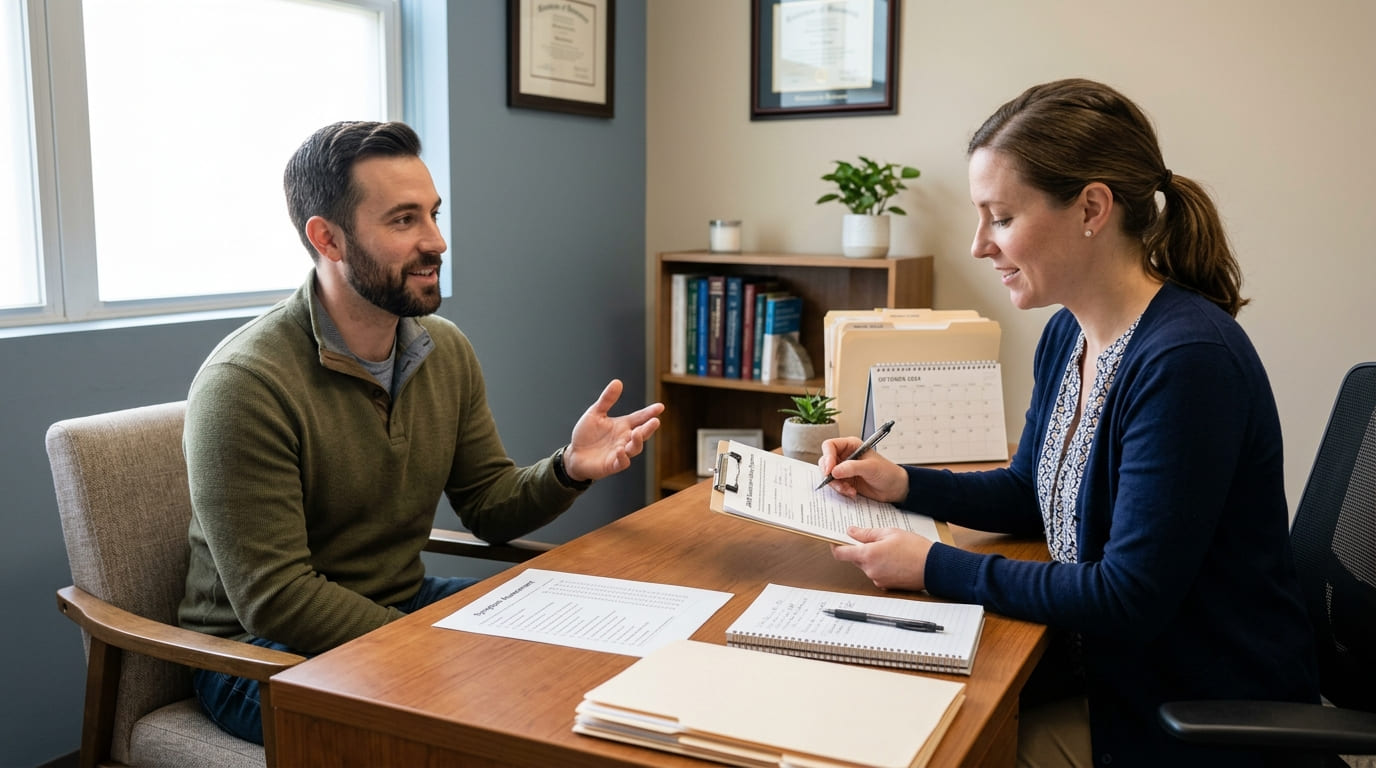
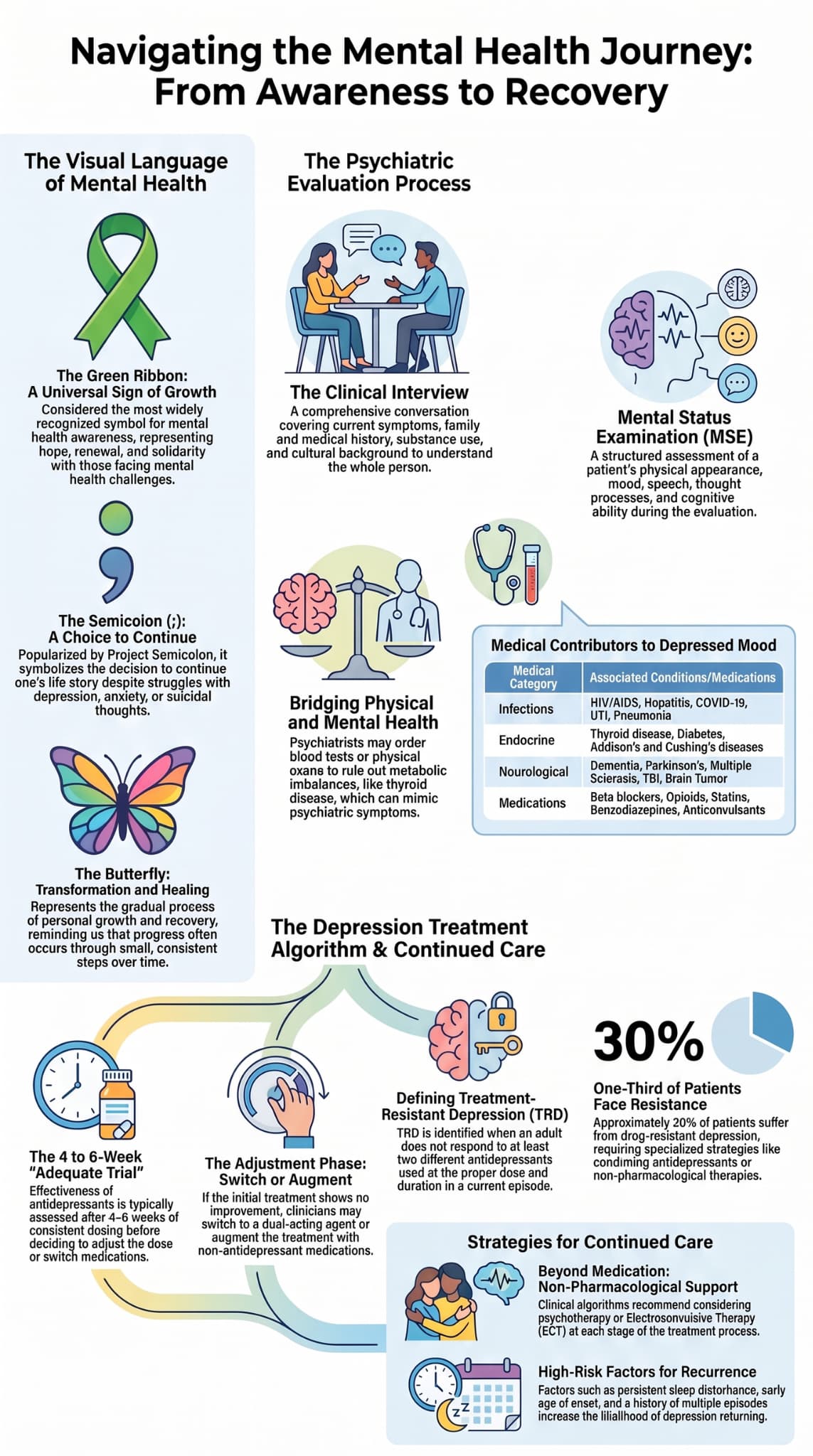
A psychiatric evaluation looks at more than the main symptom that brought a patient to care. The clinician may ask about mood, anxiety, sleep, concentration, behavior, medications, medical history, and family history.
“Psychiatrists are qualified to assess both the mental and physical aspects of psychological problems.” – American Psychiatric Association (APA)
Some patients may need questionnaires or medical records. Laboratory tests can be useful when a medical condition or medication may affect psychiatric symptoms.
An evaluation does not always lead to a diagnosis during the first visit. More information or another appointment may be needed.
That is normal.
When Does Medication Management Make Sense?
Medication management looks at how a psychiatric medication is affecting the patient. The clinician checks whether symptoms are improving and whether side effects are causing problems.
The review may include the current dose, other medications, possible interactions, and changes in symptoms. Common medication groups include antidepressants, mood stabilizers, stimulants, and medications used for anxiety.
Follow-up is especially useful after a new medication is prescribed or a dose is changed. Some medications need time before their full effect can be judged. Antidepressants, for example, may take several weeks to show their full benefit.
Patients should report new side effects, worsening symptoms, or other changes.
Medication treatment is not the same for every patient. The choice depends on the diagnosis, medical history, other medications, and previous response to treatment.
Can Psychiatry Include Therapy?
Yes. Psychiatric care can include therapy when the psychiatrist provides it. A psychiatrist may also work with a psychologist or another licensed therapist.
Cognitive Behavioral Therapy, or CBT, is often used for depression and anxiety. Dialectical Behavior Therapy, or DBT, may be used for certain mental health conditions that involve problems with emotional regulation.
Some patients need both medication and therapy. Others may need one type of care at a particular point in treatment. The plan can change as symptoms change.
Weston Psychological Associates has a mental health team that includes psychiatric providers, psychologists, and other clinicians. We coordinate care based on the patient’s needs.
How Do Psychiatrists in Weston, Florida Approach Different Needs?
Psychiatric care should fit the patient’s age, symptoms, medical history, and treatment history. A child may need a very different evaluation from an older adult.
The same diagnosis can also look different from one patient to another.
Should Someone See an Adult, Child, or Geriatric Psychiatrist?
Age can affect both diagnosis and treatment.
Child and adolescent psychiatry may address ADHD, anxiety, depression, behavioral concerns, school problems, and developmental issues. Family history can also be part of the assessment. In some cases, family members take part in treatment.
Adult psychiatry covers many common mental health conditions, including depression, anxiety, bipolar disorder, ADHD, OCD, and PTSD.
Geriatric psychiatry focuses on mental health in older adults. The evaluation may include mood symptoms, memory changes, sleep problems, medical conditions, and medication interactions.
Perinatal psychiatric care is another area of practice. It may address depression or anxiety during pregnancy and after childbirth.
What Psychiatric Specialty Matches Different Needs?

A provider’s experience should match the condition being treated.
A general psychiatrist may treat depression and anxiety, while another clinician may have more experience with OCD, PTSD, bipolar disorder, ADHD, or substance use disorders.
Patients with treatment-resistant depression may need a closer review of past treatment. This can include previous medications, therapy, side effects, and other medical factors.
Specialized care can then be discussed if it fits the patient’s clinical situation.
Why Do Credentials Matter?
A clinician’s credentials show education, training, and professional licensing. Patients can also look at the provider’s area of practice and experience with specific psychiatric conditions.
Psychiatrists are medical doctors who complete medical school and specialized psychiatric training. Psychiatric mental health nurse practitioners, or PMHNPs, are advanced practice nurses with specialized training in mental health.
Both can provide psychiatric care within their professional scope and applicable state requirements.
In Florida, physician licensing is overseen by the Florida Board of Medicine. Specialty certification can offer additional information about professional training.
Communication matters as well. Some patients may prefer psychiatric care in English or Spanish, especially when discussing sensitive symptoms, medication history, or family concerns.
What Should Patients Know About Psychiatric Care in Weston, Florida?
Psychiatric care may be available through private practices, multidisciplinary clinics, and larger healthcare systems. Services can differ from one practice to another.
Scheduling can differ too.
Is In-Person or Telehealth Psychiatry Better?
In person visits allow the clinician and patient to meet at the office. Telehealth can be useful for some follow-up visits when virtual care is clinically appropriate.
Neither format fits every situation. The choice can depend on the reason for the visit, the patient’s clinical needs, the provider’s policies, and current telehealth requirements.
Weston Psychological Associates offers secure online teletherapy as well as services at its Weston office. Patients should confirm whether psychiatric evaluations and medication follow-up are available through telehealth.
How Do Insurance and Private Pay Options Differ?
Insurance coverage depends on the health plan, provider network, service, deductible, copayment, and any authorization requirements.
The local information supplied for this practice lists Florida Blue, Aetna, Cigna/Evernorth, Humana, and UnitedHealthcare.
Some practices also accept private pay patients. Others may be outside a patient’s insurance network.
Before booking an appointment, patients can ask about the visit fee, insurance participation, payment requirements, and whether a superbill is available for possible out of network reimbursement.
When Should Specialized Psychiatric Treatment Be Considered?
Some patients continue to have symptoms after trying medication or therapy. Others may have a condition that needs a more specific treatment approach.
In those cases, a psychiatrist may review the treatment history and discuss other options. The next step depends on the diagnosis, previous care, medical history, and current symptoms.
What Is Interventional Psychiatry?
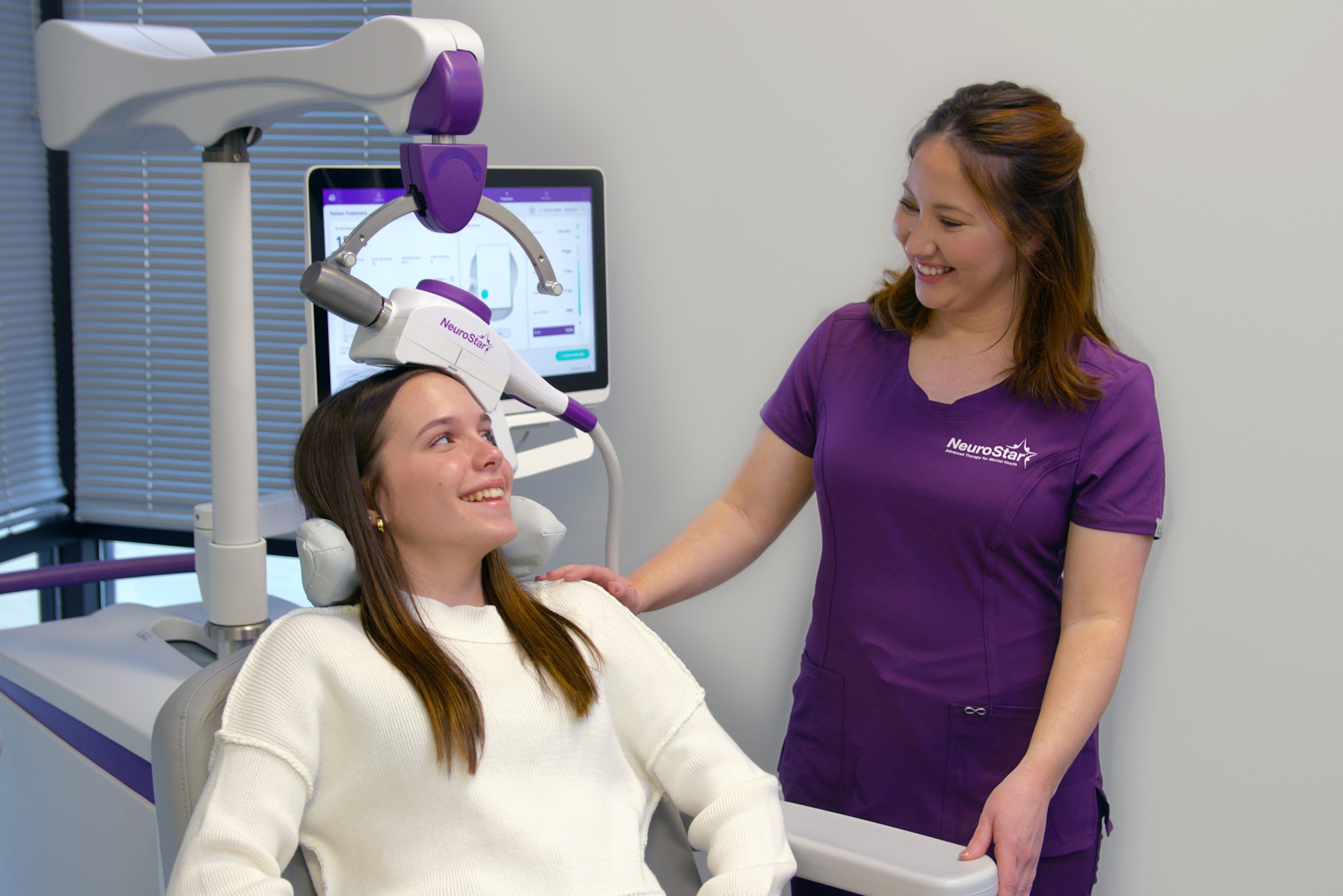
Interventional psychiatry includes treatments such as Transcranial Magnetic Stimulation, also called TMS, and esketamine treatment.
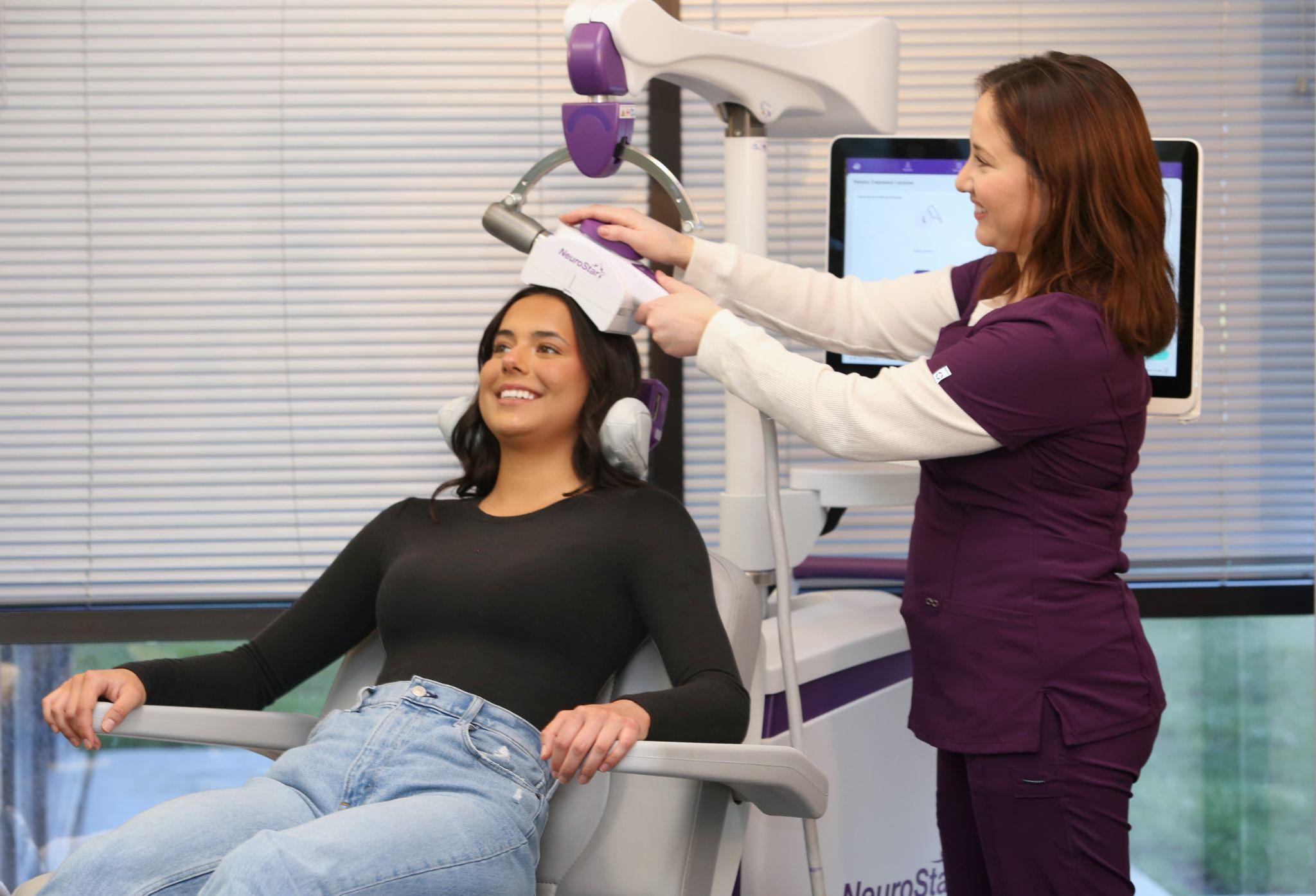
TMS uses magnetic pulses to stimulate certain areas of the brain. It does not involve surgery. The FDA has cleared certain TMS devices for specific psychiatric conditions.
The conditions treated can vary by device and indication, so the treatment should be matched to the patient’s diagnosis and clinical history.
NeuroStar is an FDA-cleared TMS system used for certain indications, including major depressive disorder and obsessive-compulsive disorder. Weston Psychological Associates offers NeuroStar TMS as part of its psychiatric services.
What Does Treatment-Resistant Depression Mean for Care Options?

Treatment-resistant depression usually means that depression has not improved enough after appropriate treatment.
NIMH describes this as depression that does not improve after trying at least two antidepressants. That does not mean there are no other treatment options.
“Treatment-resistant depression occurs when a person doesn’t get better after trying at least two antidepressants.” – National Institute of Mental Health (NIMH)
A psychiatrist may review previous medications, therapy, side effects, medical conditions, and changes in symptoms. From there, the treatment plan may be adjusted.
Options can include another medication, psychotherapy, a combination of treatments, or a specialized treatment such as TMS when appropriate.
Can Psychiatric Care Include More Than Medication?
Psychiatric care can involve more than medication.
Depending on the patient’s needs, care may include psychotherapy, medication management, psychological assessment, behavioral treatment, or specialized psychiatric services.
Some patients may need several types of care at the same time. For example, medication management may be used along with psychotherapy for depression or anxiety. A patient receiving NeuroStar TMS may also continue other mental health treatment when the treating clinician considers it appropriate.
Treatment should be reviewed over time. Symptoms can change. The plan may need to change too.
Weston Psychological Associates offers medication evaluation, therapy, psychological assessment, neurofeedback, and NeuroStar TMS. We select services based on the patient’s clinical needs.
Choosing Psychiatric Care That Fits Your Needs
Finding the right psychiatric care involves more than choosing a provider based on location. You need care that fits your concerns, treatment needs, and preferences. For those searching for psychiatric care in Weston, taking time to understand a provider’s qualifications and available services can make the process easier.
Weston Psychological Associates offers psychiatric care based on each patient’s individual needs. If you’re looking for support, learning more about your options can help you take the next step with greater confidence and find care that fits your situation.
FAQs
What Does a Psychiatrist Treat?
Psychiatrists can evaluate and treat many mental health conditions. These include depression, anxiety disorders, ADHD, bipolar disorder, OCD, PTSD, and other psychiatric conditions.
Treatment depends on the diagnosis and the patient’s medical and psychiatric history.
What Is the Difference Between a Psychiatrist and a PMHNP?
A psychiatrist is a physician with specialized training in psychiatry. A PMHNP is an advanced practice nurse with specialized psychiatric training.
Both can provide psychiatric care within their professional scope and applicable state requirements. The services offered can differ between providers.
Can Patients Get Telehealth Psychiatry in Weston?
Some psychiatric practices offer telehealth appointments. Virtual care may be available for certain evaluations and follow-up visits when clinically appropriate.
Availability depends on the provider, the type of appointment, the patient’s needs, and current telehealth requirements.
Does Insurance Cover Psychiatric Care in Weston?
Insurance coverage depends on the health plan and provider.
Costs can also depend on the patient’s deductible, copayment, network status, and the type of psychiatric service.
Patients can contact the insurance company and the practice before scheduling. This can clarify expected costs.
How Can Patients Find Psychiatrists in Weston, Florida?
Patients can compare provider credentials, clinical specialty, insurance participation, appointment options, and experience with the relevant condition.
Age matters too. A child may need a clinician with pediatric psychiatric experience, while an older adult may need care that accounts for medical conditions and medication interactions.
References
- https://www.psychiatry.org/about-apa–psychiatry
- https://www.nimh.nih.gov/health/publications/depression