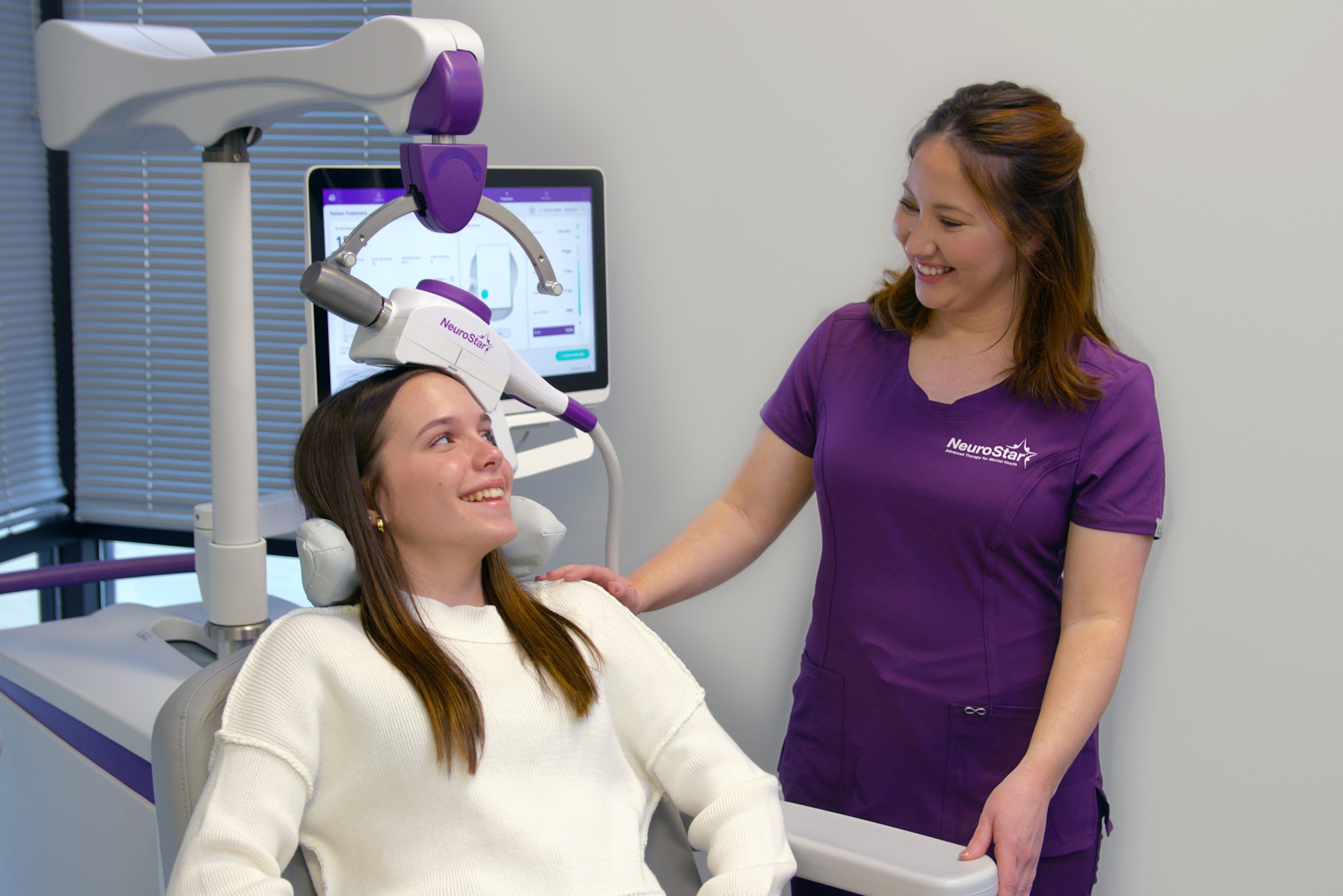
Treatment for anxious depression typically includes psychotherapy, medication management, or advanced options like TMS therapy. If you are seeking effective care, receiving a comprehensive clinical evaluation helps determine the most appropriate plan for your unique symptoms.
Weston Psychological Associates serves patients from Pembroke Pines at its nearby Weston office, offering evidence-based mental health services and teletherapy options. Read on to learn about available care pathways and what to ask before starting your treatment.
Key Takeaways
- Therapy and medication are common treatment options
- TMS may help when antidepressants aren’t enough
- NeuroStar TMS is available near Pembroke Pines
What Is Included In Modern Depression And Anxiety Treatment?
Modern depression and anxiety treatment combines diagnostic evaluations, evidence-based psychotherapy, structured medication monitoring, and advanced interventions such as transcranial magnetic stimulation. Clinical providers evaluate your full medical history to design a personal plan that addresses overlapping emotional and physical symptoms.
Major depressive disorder often presents alongside persistent anxiety. Mayo Clinic notes that while these are distinct clinical diagnoses, their symptoms frequently overlap and respond well to coordinated treatment approaches.
As noted by Mayo Clinic:
“Symptoms of both conditions usually improve with talk therapy, called psychotherapy, medicines such as antidepressants, or both.” – Mayo Clinic
Cognitive Behavioral Therapy (CBT) remains one of the most thoroughly researched therapeutic frameworks. It equips patients to identify negative thought patterns, reduce avoidance behaviors, and build practical coping strategies. The National Institute of Mental Health supports CBT as a reliable method for managing co-occurring anxiety and mood disorders.
When psychiatric medication is indicated, clinicians assess past treatment history, side effects, and overall physical health. This careful review ensures that prescribed regimens safely target core symptoms while minimizing adverse reactions.
A structured treatment framework typically involves:
- Initial psychiatric evaluation and symptom baseline assessment
- Regular individual psychotherapy sessions
- Ongoing medication reviews and dosage adjustments
- Evaluation for advanced therapies like NeuroStar TMS when appropriate
- Care coordination between therapists and prescribing physicians
Self-diagnosis can delay effective relief. If you experience persistent low mood, overwhelming worry, fatigue, or sleep disruptions, consulting a qualified mental health professional is the recommended next step.
How Does Anxious Depression Therapy Work Day to Day?
Anxious depression therapy combines structured counseling to modify distressing thoughts with medical oversight to address underlying neurochemical imbalances. Therapists and prescribers collaborate closely to adjust your care plan as your daily functioning improves.
Talk therapy focuses on the cognitive and emotional drivers of distress. CBT addresses the cycle where anxious thoughts trigger behavioral avoidance and depressive hopelessness. By breaking down these patterns, patients learn concrete tools to manage daily stressors and emotional triggers.
Medication management focuses on neurochemical regulation. Prescribers track how specific medications influence mood, sleep, focus, and anxiety levels over time. Adjusting dosages or switching formulations requires continuous clinical monitoring to ensure safety and therapeutic effectiveness.
Medical history plays a pivotal role when previous treatments have failed. Clinicians evaluate past dosages, treatment duration, and reasons for discontinuation to identify better alternatives.
Persistent attention or focus issues may also require careful evaluation. Clinicians evaluate whether cognitive difficulties stem from anxiety, depression, adult ADHD treatment, or sleep disruption. When appropriate, adult ADHD testing may be recommended to ensure accurate diagnosis and targeted intervention.
| Treatment Approach | Primary Role | Clinical Consideration |
| Psychotherapy (CBT) | Modifies negative thoughts and behaviors | Recommended for core anxiety and mood regulation |
| Medication Management | Adjusts neurochemical imbalances | Based on historical response and side effect profile |
| NeuroStar TMS | Stimulates specific brain regions | Considered when antidepressants fail to yield progress |
| Telehealth Services | Delivers remote therapeutic care | Useful for scheduling convenience and ongoing follow-up |
The National Institute of Mental Health emphasizes that therapeutic interventions require time and active participation. Adjusting treatment plans should always occur under direct medical supervision rather than independent decision-making.
When Is TMS for Anxious Depression Recommended by Clinicians?

When patients come to our clinic after trying two or more antidepressants without sufficient relief, we evaluate them for NeuroStar TMS. In our direct experience, patients often notice a gradual reduction in physical anxiety, such as muscle tension and racing thoughts, by week three or four of daily 19-minute sessions, all while remaining awake and returning to work immediately afterward. Clinicians evaluate candidates based on treatment history, symptom severity, and medical safety criteria, with TMS therapy for anxious depression considered when the clinical criteria are appropriate.
Transcranial Magnetic Stimulation (TMS) is a non-invasive procedure that delivers focused magnetic pulses to brain regions involved in mood regulation. Patients remain awake and alert throughout each session, avoiding the systemic side effects common to oral medications.
The U.S. Food and Drug Administration cleared the NeuroStar system in 2008 for major depressive disorder and later expanded its indications to include comorbid anxiety symptoms.
Data from U.S. Food and Drug Administration demonstrates
“[The NeuroStar Advanced Therapy System is indicated] for the treatment of depressive episodes and for decreasing anxiety symptoms for those who may exhibit comorbid anxiety symptoms in adult patients suffering from Major Depressive Disorder (MDD) and who failed to achieve satisfactory improvement from previous antidepressant medication treatment in the current episode.” – U.S. Food and Drug Administration
Clinical trials support the efficacy of NeuroStar TMS. In an FDA-reviewed study tracking 664 adults with depression and moderate-to-severe anxiety over six weeks, participants demonstrated statistically significant improvements in both symptom categories. Another clinical study evaluating 77 adults with treatment-resistant depression, 57 of whom presented with severe comorbid anxiety, showed marked symptom reduction following a standard TMS course.
NeuroStar TMS holds FDA clearance to reduce anxiety symptoms in adults with Major Depressive Disorder who have not achieved adequate relief from previous medications. It is also cleared as a primary treatment for MDD and as an adjunct treatment for adult Obsessive-Compulsive Disorder (OCD).
Safety screenings are mandatory before initiating TMS therapy. Patients with certain metallic implants or neurological conditions may not be eligible due to safety risks.
Standard TMS protocols require daily sessions over several weeks. Insurance coverage varies based on medical necessity, prior treatment documentation, and specific benefit plans.
What Should You Expect From Anxious Depression Treatment?

During your first visit to our nearby office, we sit down with you for a comprehensive clinical evaluation. We review your full health history, past medication responses, and personal daily routines to design a treatment plan tailored specifically to your recovery goals. Treatment continuity and location convenience play major roles in achieving long-term mental health stability.
Weston Psychological Associates provides mental health care for Pembroke Pines patients from its modern office located at 1875 N. Corporate Lakes Blvd., Suite 300, Weston, FL 33326. The practice combines in-person visits with secure telehealth services to support consistent treatment engagement.
Mental health care should never come with financial surprises. Before your first appointment, our administrative team works directly with your insurance provider to verify your benefits, explain copays, and assist with any necessary TMS pre-authorizations. Requesting a direct benefit verification from your provider ensures transparency regarding out-of-pocket costs.
Key questions to ask your care provider include:
- Do you regularly treat comorbid anxiety and depression together?
- Are therapy and psychiatric medication management coordinated within the same practice?
- What specific diagnostic criteria do you use before recommending TMS?
- Will your administrative team verify my insurance benefits before treatment begins?
- What is the required visit frequency for my recommended care protocol?
If you ever experience severe emotional distress, thoughts of self-harm, or suicidal ideation, immediate support is available. Call or text 988 to reach the Suicide & Crisis Lifeline, call 911, or visit the nearest emergency room immediately.
How Do You Select Mental Health Treatment You Can Rely On?
Selecting mental health treatment near Pembroke Pines families can rely on involves choosing an accredited practice that offers evidence-based therapies, experienced clinicians, and clear communication regarding treatment pathways. A reliable clinic guides you from initial assessment through long-term recovery support.
Effective care begins with a detailed psychiatric assessment rather than a hasty diagnosis. Clinicians should evaluate your current symptoms, physical health, lifestyle factors, and past responses to therapy or medication.
Consistency is key to positive outcomes. Choosing a clinic near Pembroke Pines with flexible appointment times or hybrid telehealth options reduces practical barriers to maintaining your care schedule.
Finding the Right Treatment Plan
Living with anxious depression can make daily responsibilities feel overwhelming, especially when standard interventions have not brought relief. Your optimal treatment plan depends on accurate clinical evaluations, past medical history, and personal treatment goals.
Weston Psychological Associates helps patients review evidence-based options and build individualized care programs. If you are seeking effective anxious depression treatment in Pembroke Pines, scheduling a professional clinical evaluation is the first step toward lasting wellness.
Frequently Asked Questions
What does anxious depression treatment cost on average?
Treatment costs vary depending on your insurance coverage, service type, session frequency, and whether care is provided on a self-pay basis. Providers typically offer personalized financial estimates following an initial benefit verification.
Can TMS treat anxiety and depression simultaneously?
FDA-cleared NeuroStar TMS is indicated to decrease anxiety symptoms in adult patients with Major Depressive Disorder who have not achieved satisfactory improvement from prior antidepressant medications in their current episode.
Is TMS considered a first-line treatment for mild depression?
TMS is generally not used as a first-line treatment for mild depression. The National Institute of Mental Health classifies psychotherapy and medication as standard first-line options, reserving brain stimulation for cases where standard treatments yield insufficient progress.
How do I know if I need anxious depression treatment?
You may benefit from anxious depression treatment if persistent worry, low mood, fatigue, or sleep disruptions interfere with daily life or fail to improve with basic self-care. A professional evaluation clarifies whether structured therapy, medication, or TMS is appropriate.
When should someone seek immediate crisis intervention for mood disorders?
Immediate crisis intervention is necessary if a person experiences thoughts of suicide, severe self-harm urges, or an inability to maintain personal safety. In the United States, call or text 988 for the Suicide & Crisis Lifeline, call 911, or go directly to an emergency department.
References
- https://www.mayoclinic.org/diseases-conditions/depression/expert-answers/depression-and-anxiety/faq-20057989?p=1#1
- https://www.accessdata.fda.gov/cdrh_docs/pdf22/K220127.pdf#2#2